marmos is a data analysis platform for natural-language questions, analysis and interactive dashboards.
marmos: natural-language data analysis and dashboards
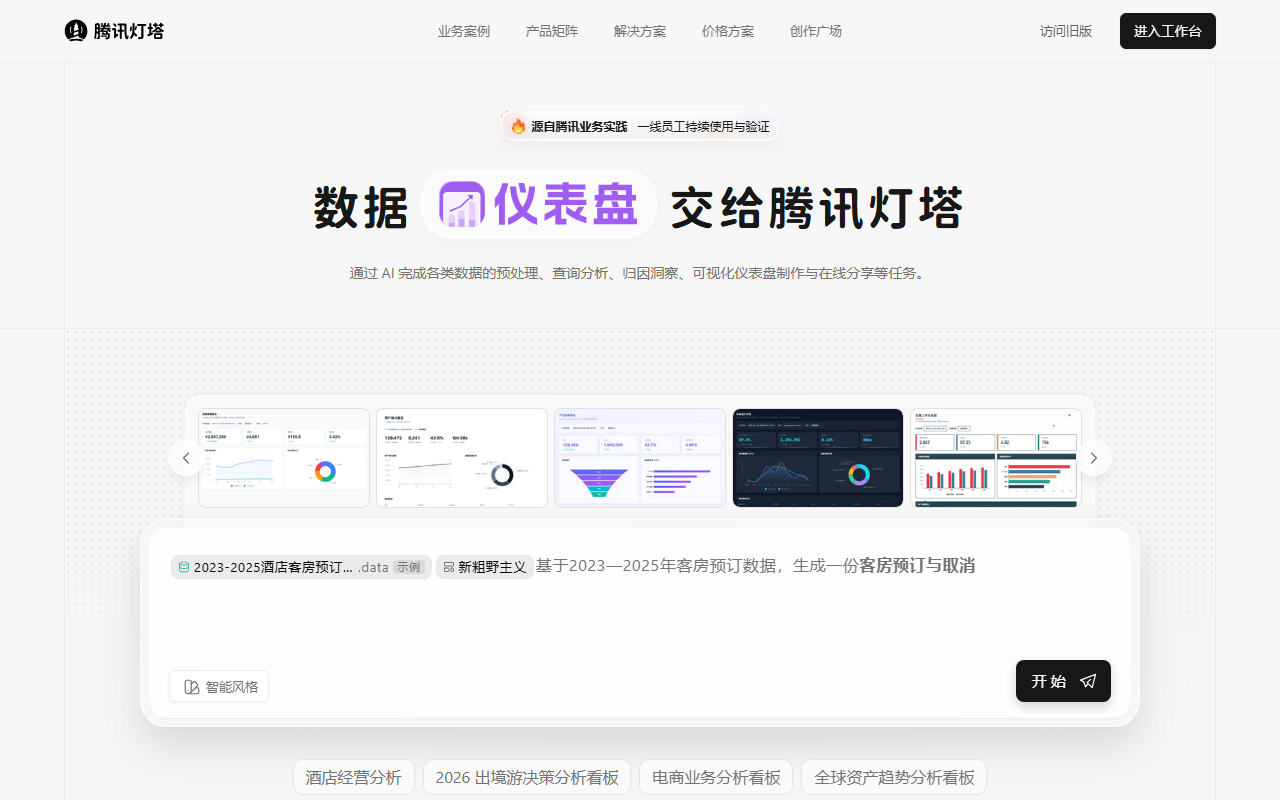
marmos is a data analysis platform from the Tencent Beacon team. It is designed to help users describe analytical needs in natural language and generate charts and interactive dashboards from connected data sources. It can support exploring business data, organizing metrics and sharing results with a team.
Main capabilities
Describe metrics, time ranges or analytical questions in natural language to produce results and charts. Connect sources such as spreadsheet files and databases; check current product information for supported connectors and permissions. Organize charts into interactive dashboards and adjust cards, dimensions and presentation. Available analysis and monitoring features can help explore metric changes and configure alerts. Sharing and permission options allow designated team members to view results.
Getting started
- Check current access and registration options on the marmos website.
- Upload a supported spreadsheet or authorize a data connection after confirming access scope and permissions.
- Describe the business question, metric definitions and time range, then review the charts and dashboard.
- Verify sources, filters and calculations, adjust the dashboard as needed and use available monitoring or sharing options.
Considerations
Natural-language analysis may misunderstand metric definitions, filters or joins. Check important conclusions against original data and business definitions. Correlation or automated attribution on a dashboard does not itself establish causation. Before connecting sensitive data, examine product data handling, permissions and deployment details and follow organizational governance requirements; do not assume data stays in a particular environment solely from marketing claims. Connectors, models, alerts and prices can change, so check current official information.
Frequently asked questions
What data can marmos analyze?
It can connect sources such as spreadsheets and databases; check current product information for supported types.
Can a generated dashboard be used directly for decisions?
First verify data, filters and metric definitions, then interpret the result in its business context.
Can dashboards be shared with a team?
Use the available sharing and permission features; options depend on the version and account rights.
Frequently asked questions
What data can marmos analyze?
It can connect spreadsheets and databases; check current product information for supported types.
Can a generated dashboard be used directly for decisions?
Verify the data, filters and metric definitions and consider the business context.
Can dashboards be shared with a team?
Use available sharing and permission features, subject to version and account rights.